


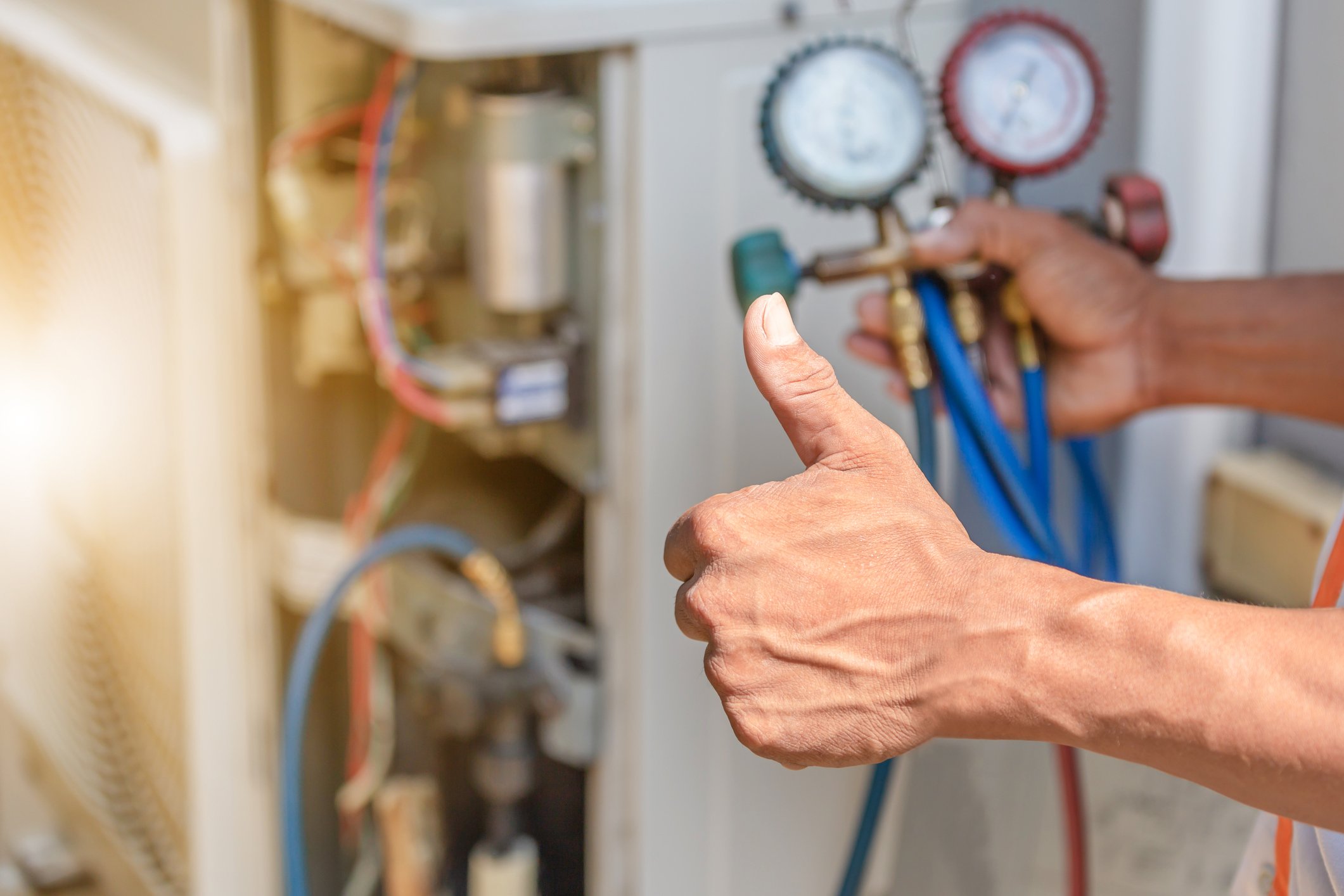
Texas winters may be unpredictable, but one thing remains certain: when temperatures drop, you want a heating system that works reliably. Whether you’re bouncing between air conditioning and heat as northern fronts roll through the Dallas area or settling in for a stretch of cold weather, proper furnace maintenance ensures your family stays comfortable without worry.
At Dial One Johnson Plumbing, Cooling & Heating, we’ve been helping homeowners maintain their heating systems for over 50 years. This article covers everything you need to know about furnace maintenance, from why it matters to what you can do yourself and when to call the professionals.
Why Furnace Maintenance Matters
Regular furnace maintenance is essential for safety, efficiency, and long-term value. Here’s why scheduling professional maintenance and completing basic upkeep should be priorities.
1. Safety First
Your family’s safety is the number one priority. With natural gas furnaces increasing in popularity due to high efficiency ratings, the risk of carbon monoxide leaks shouldn’t be taken lightly.
Properly functioning furnaces release carbon monoxide through an exhaust pipe that vents safely outside your home. Over time, parts may fail or connections may loosen, creating leaks that trap carbon monoxide inside. Regular maintenance allows HVAC technicians to identify faulty parts before they create health hazards, including carbon monoxide poisoning.
Additionally, furnaces generate significant heat and use combustible fuel, creating fire risks if not properly monitored. Professional maintenance catches potential safety issues before they become emergencies.
2. Significant Cost Savings
Lower monthly utility bills: When operating properly, your furnace heats your home efficiently. You can expect slight increases during heavy usage months, but well-maintained systems avoid large energy bill spikes caused by inefficiencies.
Reduced repair costs: The overwhelming majority of emergency furnace repairs can be prevented with regularly scheduled maintenance. While maintenance doesn’t eliminate all repair needs, it dramatically reduces their frequency.
Avoid premature replacement: Most manufacturers state furnaces should last 15-20 years. Since HVAC systems require significant investment, maximizing this lifespan through maintenance protects your investment and avoids premature replacement costs.
3. Improved Efficiency
Your furnace is a complex system with multiple parts working together to efficiently heat your home. Something as small as a dirty air filter can impact operation and lead to larger issues.
Well-maintained furnaces heat homes more efficiently, which is critical during periods of heavy use. Aging furnaces require more attention, but those with a history of proper maintenance are less likely to develop efficiency problems.
4. Extended System Lifespan
Just as changing your car’s oil increases its longevity, regular furnace maintenance helps your system last as long as possible. Proper care can mean the difference between a furnace lasting 20 years with few repairs versus 15 years with frequent problems.
5. Warranty Protection
For newer HVAC systems, most repairs are covered by manufacturer warranties. However, the fine print often requires regular maintenance by licensed professionals to maintain coverage.
Maximizing warranty coverage protects you from unexpected expenses. From the manufacturer’s perspective, mandatory maintenance reduces the risk of major repairs caused by neglect or improper care.
6. Peace of Mind
Perhaps most importantly, regular maintenance provides peace of mind. You won’t wake up on a freezing morning to discover your heating has failed. You’ll know your system is ready to handle whatever Texas weather brings.
How Often Should You Service Your Furnace?
Most furnace and boiler manufacturers recommend professional maintenance at least once annually, ideally in early fall before heating season begins. This timing ensures you have adequate time for any necessary repairs before winter arrives.
However, several factors may require more frequent service:
- High humidity areas: More frequent filter changes and inspections
- Homes with pets: Increased dust and dander requires more attention
- Older systems: Aging furnaces benefit from twice-yearly professional service
- Heavy usage: Systems that run frequently need more regular care
Always consult with your heating contractor for personalized recommendations based on your specific system, usage patterns, and local conditions.

DIY Furnace Maintenance Tasks
While professional service is essential, there are several maintenance tasks you can handle yourself between professional visits. Always follow proper safety precautions: turn off power before completing any maintenance and wear protective clothing.
Replace Air Filters Regularly
This is the single most important DIY task. Most homeowners know filters should be replaced monthly, but how many actually do it?
Your filter removes dust, dander, and debris from the air while keeping your furnace running efficiently. When filters become clogged, airflow becomes blocked, forcing your furnace to work harder. Eventually, the system sustains damage or shuts down completely.
Best practices:
- Check filters monthly during heating season
- Replace every 1-3 months, or more frequently with pets
- Keep spare filters on hand
- Choose higher-quality filters designed for homes with pets if applicable
The cost of a filter is minimal compared to repair or replacement costs. Filters are available at any home improvement store and many grocery stores.
Clean the Unit and Surrounding Area
Your furnace needs clean surfaces to operate efficiently:
- Turn off power to the furnace
- Wipe down the unit’s surface
- Open grilles and covers to gently blow out dust and dirt with low vacuum settings
- Ensure at least two feet of clearance around the unit
- Keep the area free of flammable objects (three feet minimum)
Better airflow improves efficiency. Your HVAC technician provides in-depth cleaning during professional service, so don’t worry about reaching every component.
Inspect Critical Components
Perform regular visual inspections to catch problems early:
Heat Exchanger: Look for cracks or damage. A cracked heat exchanger can leak carbon monoxide into your home. This is extremely dangerous and requires immediate professional attention.
Burners: Check burner flame color. They should be blue. Orange or yellow flames indicate burners need cleaning by a professional.
Intake Vents: Ensure indoor intake vents aren’t blocked by furniture, debris, or pet hair. Most intake vents are located near your HVAC’s indoor unit.
Open Vents Throughout Your Home
This simple task makes a significant difference. Open vents in rooms you use regularly, but you can close vents in rarely used spaces like guest bedrooms.
Open vents maintain proper airflow throughout your home, reducing strain on your system and ensuring comfort. Consider updating older vents for improved efficiency.
Listen for Unusual Sounds
Your furnace’s normal operation becomes background noise. Periodically listen for subtle changes:
- Knocking or squeaking may indicate developing issues
- Severe screeching or clanking requires immediate attention
- Popping or rumbling suggests burner ignition problems
When in doubt, call a professional for diagnosis rather than waiting for complete failure.
The Value of Professional Furnace Service
While DIY maintenance helps, professional service provides benefits you simply can’t achieve on your own.
Comprehensive Inspections and Cleaning
Professional technicians perform thorough inspections that include:
- Cleaning burner assemblies and blower components
- Inspecting heat exchangers for cracks or corrosion
- Checking all electrical connections
- Testing safety features and controls
- Verifying proper combustion and venting
- Measuring system efficiency
- Identifying potential problems before they cause failures
Expertise and Training
HVAC technicians undergo years of training to master furnace systems. They can identify issues you might miss and know when situations are unsafe. They also have specialized tools and personal protective equipment to work safely.
Time and Cost Efficiency
While DIY enthusiasts claim you can save thousands doing your own repairs, DIY projects often cost as much or more when you factor in:
- Tools and equipment purchases
- Parts and materials
- Time investment (entire weekends or longer)
- Risk of mistakes requiring professional correction anyway
Professional technicians solve problems quickly and correctly the first time, ultimately saving you time and money.
Emergency Service Availability
Partnering with a local HVAC company means help is available when you need it most. Once you’ve established a relationship, your information is on file, making emergency calls faster and easier.
At Dial One Johnson, we provide 24-hour emergency service for heating, cooling, and plumbing issues.
Warranty Compliance
Professional maintenance keeps manufacturer warranties valid, protecting you from unexpected expenses on newer systems.

Essential Safety Precautions
Fire Safety
Furnaces generate significant heat, creating fire risks without proper care:
- Keep objects at least two feet from furnaces
- Keep flammable objects at least three feet away
- Test smoke alarms monthly
- Replace smoke detectors every 10 years (preferably hardwired units)
- For homes with fireplaces: annual chimney inspections and cleanings, glass screens, proper ash disposal
- Turn off portable heaters and extinguish candles before bed
- Never plug heating appliances into extension cords. Use grounded outlets only
- Inspect electrical heating appliances for damage before use
- Water live holiday trees daily and keep away from fireplaces
Carbon Monoxide Safety
Most gas furnaces have heat exchangers that can crack from constant expansion and contraction. Cracked heat exchangers may leak carbon monoxide.
Protection measures:
- Install carbon monoxide detectors on every level of your home
- Place a detector above or next to your furnace
- Test detectors monthly
- Replace detector batteries as needed
- Never ignore detector alerts. Evacuate and call emergency services
Hot Water and Leak Safety
Hydronic furnaces can develop water leaks in piping, especially after long periods of non-use. Water leaks cause structural damage and create burn risks.
Call an HVAC technician immediately if you notice puddles around your furnace. For radiators, install insulation on bodies and valves to prevent burns.
Electrical Safety
For electric heating systems, leave all repairs to professionals. The only electrical component you should touch is the breaker switch. Turn power completely off before attempting any maintenance work.
Gas Leak Safety
Natural gas companies add sulfur smell to gas for leak detection. If you smell this:
- Call 911 immediately
- Evacuate your home
- Open doors and windows if safely possible
- Don’t operate light switches as they can ignite gas
- Wait for fire department clearance before returning
- Schedule heating repair once safe
Understanding Your Heating System
Heating systems fall into two broad categories: furnaces (using air as the heat-carrying medium) and boilers (using water). However, many variations exist, making it important to work with professionals who understand your specific system.
Common Heating System Types
Furnaces: The most common type, furnaces blow heated air through ducts. They’re available in gas-fired, oil-fired, and electric models. Gas furnaces are most popular due to cost-effectiveness and efficiency.
Boilers: Typically used where natural gas pipelines aren’t available, boilers heat water that circulates through pipes and radiators. Steam boilers use gas or oil-fired burners.
Heat Pumps: Use electricity to distribute heat, making them more efficient than traditional furnaces and boilers. They transfer heat from outside sources (air, ground, or water) through your home’s ductwork.
Radiant Floor Systems: Hot-water systems using tubing installed under floors, circulating heated water to provide warmth.
Because system types vary significantly, work with professionals who can recommend appropriate maintenance schedules and procedures for your specific equipment.
Why Choose Dial One Johnson for Your Furnace Maintenance
At Dial One Johnson Plumbing, Cooling & Heating, we’ve been serving the Dallas area as a family-owned and operated business for over 50 years. We understand the ins and outs of the HVAC industry and prioritize helping our neighbors.
Our Comprehensive Services
- Professional maintenance plans: Choose the plan that fits your needs and save money on necessary appointments
- Emergency services: 24-hour availability for heating, cooling, and plumbing emergencies
- Expert repairs: Highly trained, certified technicians committed to quality workmanship
- System replacements: When repair isn’t cost-effective, we guide you through replacement options
- Honest assessments: We’ll never pressure you into unnecessary services
Our Commitment to You
Heating service isn’t only about fixing problems. It’s about ensuring your family’s comfort and safety. We’re here to answer questions, walk you through our services, and provide the expertise you need when you need it.
We offer coupons, rebates, and financing options to make professional service accessible. Don’t let cost concerns prevent you from getting the maintenance and repairs your system needs.
Schedule Your Furnace Maintenance Today
Don’t wait for your furnace to fail on the coldest night of the year. Proactive maintenance keeps your system running efficiently, safely, and reliably throughout the heating season.
Whether you need annual maintenance, emergency repairs, or guidance on extending your furnace’s lifespan, Dial One Johnson Plumbing, Cooling & Heating is here to help. Our team of licensed, professional HVAC experts serves Dallas County and the greater Dallas-Fort Worth Metroplex with offices in Midlothian and Cedar Hill.
Contact us today at 972-291-0740 or reach out online to schedule your furnace maintenance appointment. Let us help you stay warm and comfortable all winter long.